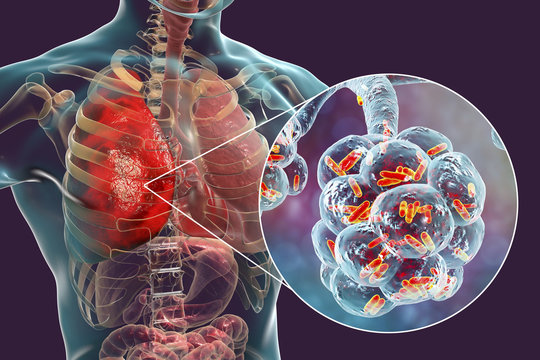
During today’s noon report, we discussed an interesting case of a patient with CLL presenting with respiratory failure secondary to PJP pneumonia. Key takeaways include:
- Chronic Lymphocytic Leukemia (CLL):
- CLL is a chronic lymphoproliferative disorder characterized by monoclonal B-cell proliferation, usually diagnosed incidentally.
- Patients often present with lymphocytosis, recurrent infections, or systemic symptoms like anemia, thrombocytopenia, and lymphadenopathy.
- Management includes “watchful waiting” for asymptomatic cases, while treatment is initiated for symptomatic disease or significant progression.
- Pneumocystis jirovecii Pneumonia (PJP):
- PJP is a serious lung infection in immunocompromised individuals, often presenting with subacute dyspnea, non-productive cough, and fever.
- Diagnosis involves radiological findings (ground-glass opacities on CT), laboratory markers (elevated LDH), and confirmation via PJP PCR from induced sputum or BAL.
- Treatment includes TMP-SMX, and prophylaxis is essential for high-risk patients, particularly those on long-term steroids or immunosuppressants.
You can access the full slide deck [here].



 Vancouver IM LMR
Leave a comment