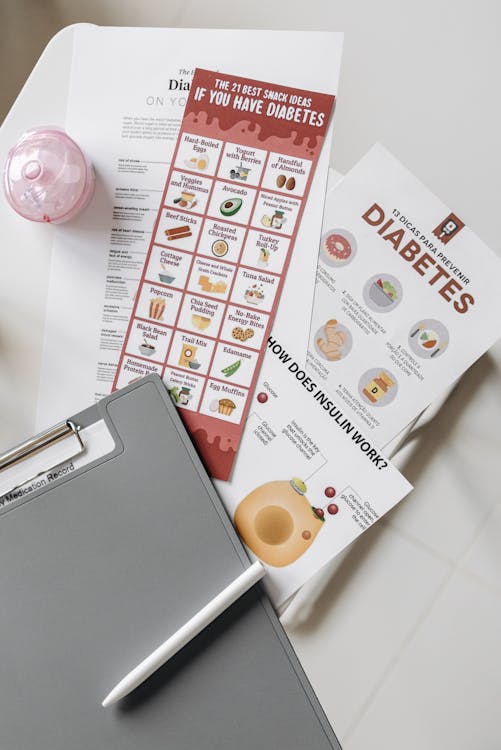
In today’s noon report, we discussed a case involving a 62-year-old male who was initially admitted to the Cardiac Critical Care Unit (CCU) with a suspected ST elevation myocardial infarction (MI). Upon arrival, it was found that the patient had significant metabolic derangements due to diabetic ketoacidosis (DKA) and pancreatitis. It was felt that the patient’s elevated troponin levels were likely related to these metabolic issues rather than an acute plaque rupture.
See the full presentation here
Key Takeaways:
- Distinguishing Between Type 1 and Type 2 Myocardial Infarction (MI): Differentiating between type 1 MI (due to acute plaque rupture) and type 2 MI (due to demand ischemia in the context of stable coronary artery disease) can be challenging. However, this distinction is crucial as it influences the management of elevated troponin levels.
- Pathophysiology of DKA:
- Cause: DKA occurs due to either absolute or significant relative insulin deficiency combined with increased counterregulatory hormones. This results in the body metabolizing fatty acids instead of glucose, leading to ketogenesis and hyperglycemia.
- Triggers: The common triggers of DKA are known as the “7 I’s”: Infection, Ischemia, Intoxication, Inflammation, Insulin deficiency, Iatrogenic causes, Initial Presentation, Incision, and Impregnation.
- Diagnosis of DKA:
- Criteria: Diagnosis is based on hyperglycemia (often with blood glucose > 14 mmol/L, though not always), metabolic acidosis, an elevated anion gap (AG), and positive beta-hydroxybutyrate levels.
- Management of DKA:
- Volume Resuscitation: Adequate fluid resuscitation is essential.
- Electrolyte Replacement: Monitor and correct electrolyte imbalances, especially your potassium!
- Correct the Acidosis: IV insulin is the key to management of your acidosis.
- Glucose Management: Manage blood glucose levels carefully, especially as your glucose levels will inevitably drop with IV insulin.
- Frequent Labs and Clear Communication: Regular lab tests and clear communication among the care team are crucial for effective management.
- Transitioning to Subcutaneous Insulin: Plan for transitioning from intravenous insulin to subcutaneous insulin as the patient stabilizes.


 Vancouver IM LMR
Leave a comment