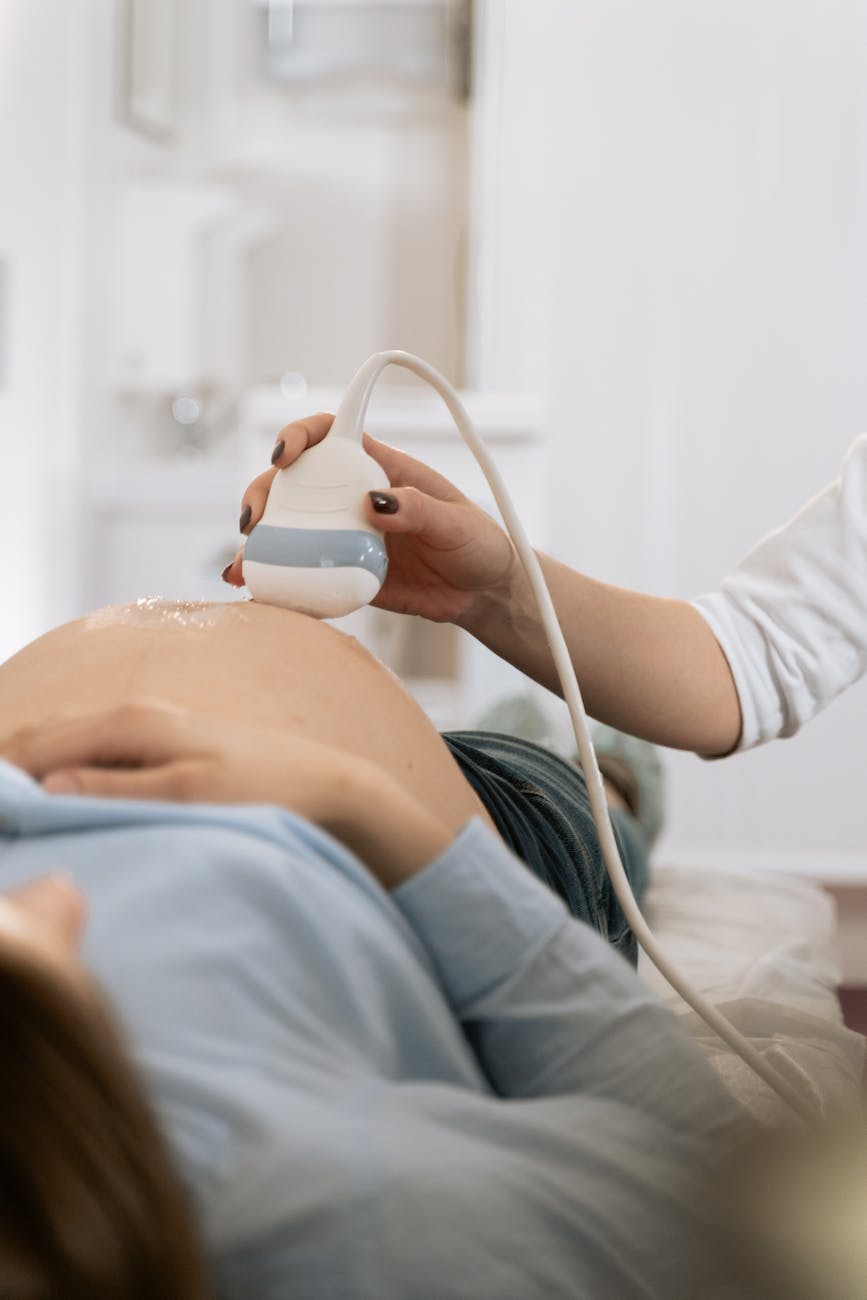
Thanks Dr. Jayakumar for this great teaching!
Teaching slides for your reference
Summary notes
- No changes expected in bilirubin, AST/ALT/GGT during pregnancy, but ALP can increase due to placenta
- Imaging: Avoid CT/fluoroscopy (radiation) in pregnancy. Gadolinium for MRI contrast is teratogenic
- For overall approach to liver disease in pregnancy, consider the following:
- Effect of pregnancy on liver disease – worsening/no change/improvement during pregnancy and post-partum
- Effect of liver disease on pregnancy
- Effect on mother (morbidity and mortality), effect on fetus (effect of medications, morbidity and mortality, need for early deliver, considerations re: mode of delivery, procedures to avoid in pregnancy)
- Effects post-partum
- Safety of treatment during breastfeeding, risk of vertical transmission of infectious hepatitis
- Statins are category X (demonstrated fetal abnormalities/adverse reactions) in pregnancy!!
- Fun fact – NAFLD is now called metabolic dysfunction-associated steatotic liver disease (MASLD)
Conditions unique to pregnancy
- Hyperemesis gravidarum: Intractable nausea and vomiting, electrolyte abn (hypokalemia, B1, vitamin K, thiamine), >5% weight loss, dehydration. Supportive management, pharmacological options including promotility agents are last resort. Liver enzyme elevation seen in 50% (AST/ALT, usually 100-200)
- Intrahepatic cholestasis of pregnancy: More commonly in third trimester. Elevated fasting serum bile acids as a consequence of direction of flow of bile acids (usually from fetus to mother, now from mother to fetus). Can also see elevations in all other liver enzymes. Pruritus without skin lesions is the most common symptom. Treatment is ursodiol as a backbone – cholestyramine and rifampin are other options.
- Preeclampsia/eclampsia/HELLP
- Liver injury in all three due to vasoconstriction and fibrin precipitation in the liver
- HELLP (hemolysis, elevated liver enzymes, low platelets) affects 0.1-0.6% pregnancies. Presents with abdominal pain, hepatomegaly, suggestive lab findings (thrombocytopenia, hemolytic markers). Should have a normal INR (unless they have developed DIC). 1-3% mortality risk, 16% risk placental abruption. Management (by OB/MFM) requires steroids, early delivery.
- Acute fatty liver of pregnancy (AFLP): Very uncommon. Usually in the third trimester. Presents with abdominal pain, nausea, vomiting, jaundice and other signs of liver failure (can progress to acute liver failure). Labs will be remarkable for thousands club hepatocellular enzyme elevation, hypoglycemia, hyperuricemia. See Swansea criteria for diagnosis.
Conditions exacerbated in pregnancy:
- HSV hepatitis: >80% mortality if untreated. Thousands club transaminitis (often 3000-6000). Prodrome of fever/URTI anorexia, n/v, abdo pain, may have oral/genital vesicular eruption (30-57%). Treatment with acyclovir and C-section delivery.
- Hepatitis E: Endemic to Pakistan, northern Africa, Mexico, zoonotic exposures from coyotes in Alberta????? Can resemble AFLP, HELLP or HSV hepatitis. Diagnosed with Hep E serology (serum/stool by PCR) – send off test to Winnipeg. Treatment is ribavirin (teratogenic in T1/T2)
- Gallstone disease – worsens due to increased estrogen and progesterone leading to smooth muscle relaxation. If pancreatitis develops because of this, this is one of the situations you could proceed to ERCP (cost-benefit). Want to delay gallbladder procedures until T2/early T3.
- Hypercoaguability including Budd-Chiari – low threshold for suspicion.

 Vancouver IM LMR
Leave a comment